







Search Results for: latte art fails
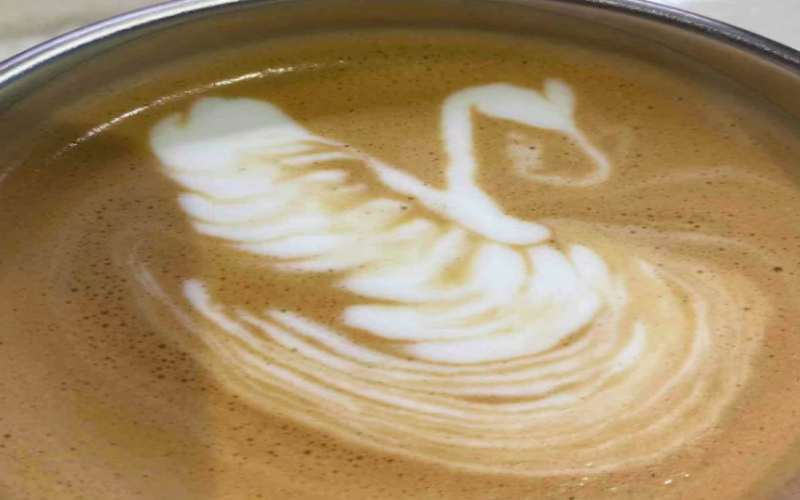
Coffee Latte Art Fails: Accidental Creations That Astonishingly Resemble Cai Xukun, A Roundup of Those Abstract Yet Stunning Improvisations
Latte art is a visual display of a barista's skill, and it's also the reason many coffee enthusiasts fall down the rabbit hole. However, not every attempt at latte art turns out as perfectly as intended—failed creations often come in wildly bizarre forms, some so abstract that even the creator can't recognize them. Yet an occasional slip of the hand can sometimes give rise to a one-of-a-kind improvised "masterpiece"—for instance, a netizen once accidentally poured a milk pattern that bore an uncanny resemblance to a certain basketball star. This article will round up these hilarious latte art fails, while also exploring how latte art affects the taste of coffee and why baristas keep practicing. [more…]
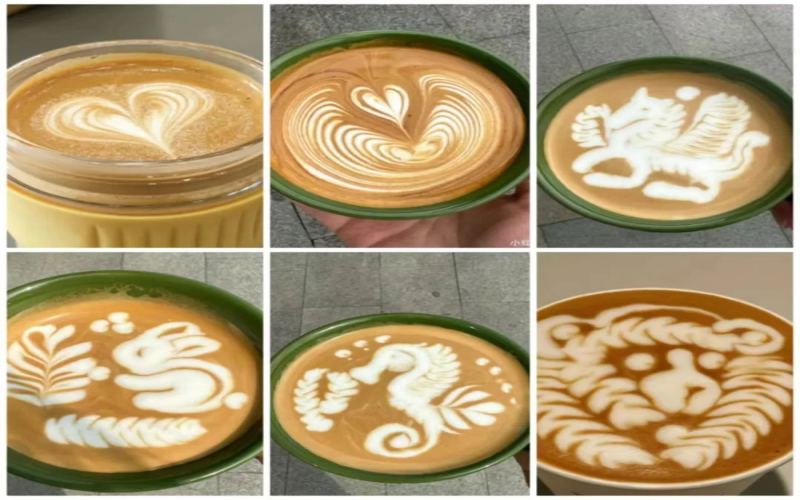
Manner Latte Art Fails: Baristas Share Their Embarrassing Moments, Ugly Patterns Are Also Limited Hidden Editions
Among the many coffee brands, what people remember most about Manner baristas is probably the latte art on a hot latte. When customers receive their coffee, they often look forward to today's design like opening a blind box—a heart, a swan, or a unicorn are all possible. But not every cup turns out as hoped. Recently, a netizen got an "abstract" latte art, prompting baristas to collectively share their own dark history to offer comfort. This discussion about "ugly latte art" actually makes people feel that even if the design fails, it does not affect the good mood of drinking coffee. This article takes you to see those latte art works that make people laugh and cry, and how baristas use humor to defuse awkwardness. [more…]

Latte Art Fails: Can You Really Serve These Bizarre Designs to Customers?
Creating latte art for customers at the bar is a daily routine for many baristas. When regulars ask for more creative patterns, some baristas begin to boldly experiment, only to create bizarre works that are both amusing and absurd. From memorial flower coupons to Cantonese insects, from Plants vs. Zombies to broken hearts, these patterns, though unique, make one wonder: can they really be served at the table? Latte art should enhance a good cup of coffee, but overly obscure creations may only be suitable for personal memes. This article will show you those latte art fails that make people both love and fear them, while preserving Front Street Coffee's professional recommendations for coffee culture. [more…]

The latte art roulette wheel's pointer decides the design, and the barista's stress instantly maxes out
The reason hot lattes captivate so many coffee lovers often comes down to latte art. Tulips, swans—a beautifully poured design never fails to lift the mood. Most of the time, the pattern is left to the barista's discretion, but some baristas compile a menu of designs for customers to choose from. With so many options, some people find themselves spoiled for choice, and so the latte art spinner was born—the customer gives it a gentle spin, and wherever the pointer lands, the barista crafts that design. It's as fun as opening a blind box. The customer has a great time, but the barista may be breaking into a cold sweat: if the spinner lands on a complex pattern they haven't quite mastered, a botched pour would be pretty embarrassing. [more…]
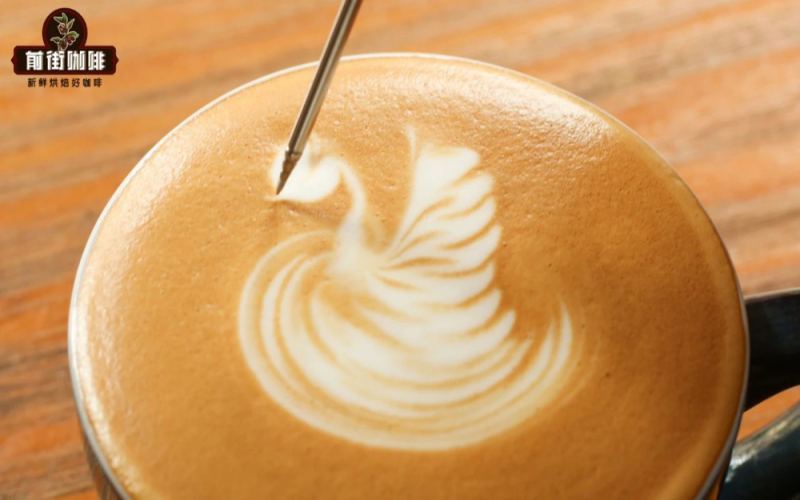
Latte art always failing? A detailed explanation of the eight key points and operational details for incorporating milk and coffee
Many coffee enthusiasts encounter the same confusion when practicing latte art: the milk foam is steamed perfectly fine, and the crema on the espresso is in decent shape too, yet the moment they start pouring, everything falls apart. The problem often lies in a seemingly simple yet easily overlooked step—the integration of milk and coffee. Whether the integration is even not only directly determines whether the latte art pattern can come through smoothly, but also affects the layered mouthfeel of the entire latte. This article will break down the key operational points one by one—covering the criteria for judging even integration, the appropriate thickness of espresso crema, milk steaming and anti-separation handling, the direction and size of the swirling circles, pouring height and flow rate, and controlling the amount used in integration—to help you make a cup of latte with clear patterns and a smooth mouthfeel right at home. [more…]

Blindfolded Latte Art Challenge Sweeps the Coffee World: Baristas Show Off Skills with Eyes Closed—True Talent or a Disaster in the Making?
Recently, a trend of making coffee and latte art blindfolded has taken social platforms by storm. Nominated baristas must complete the entire process of extraction, milk frothing, and latte art with their eyes closed, record a video, post it, and then nominate other peers to continue the relay. Some deliver stunning results thanks to solid muscle memory, with patterns so stable that netizens exclaim they are better than when they have their eyes open; others crash and burn on the spot, with milk fountains, crooked patterns, and messes everywhere unfolding one after another. Is this challenge a test of real skill or just pure fun? Onlookers go from confusion to admiration, and the comments section is full of witty one-liners. This article walks you through those high-scoring performances and hilarious fails, to see how baristas keep their touch even when they cannot see. [more…]
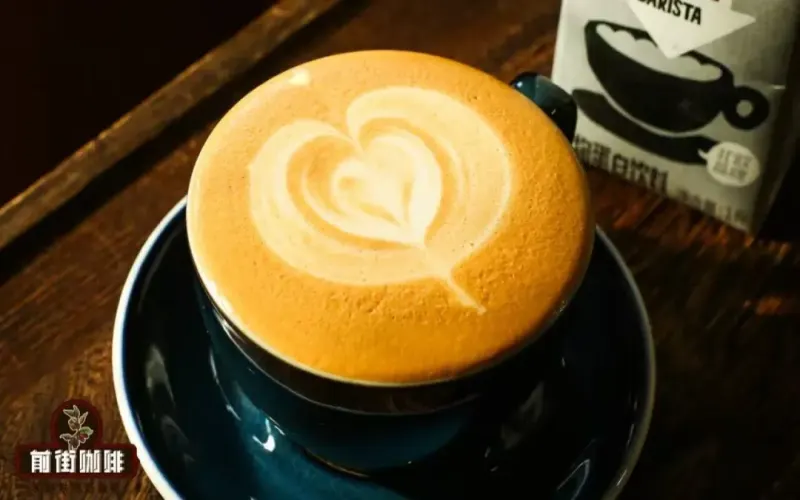
Oat Milk Latte Making Guide: A Full Breakdown of Coffee Bean Selection, Ratio Adjustment, and Latte Art Techniques
Using plant-based milk to make lattes has become a favorite among many coffee lovers in recent years. Oat milk contains no lactose and takes on a unique flavor when combined with coffee, but many people who try to recreate it at home run into problems like bitterness, a greasy mouthfeel, or failed latte art. In fact, with just a few adjustments to bean selection, the plant milk ratio, and the way you steam the milk foam, you can make a plant-based latte that is both delicious and beautiful. Drawing on Front Street's practical experience, this article analyzes the causes of the three major pain points—bitterness, greasiness, and latte art—one by one, and offers specific bean recommendations and operational tips to help you easily reproduce a coffee-shop-quality oat milk latte at home. [more…]

How hard is coffee latte art really? The real journey from clumsy to expert
Latte art is a skill that many coffee lovers both love and hate. From steaming your first pitcher of milk foam, to pouring清晰 patterns, to casually sketching shapes, behind it all are countless failures and hours of practice. Some people find the feel after just two or three tries, while others practice for a long time and still can't pour a complete heart. This article takes you through those hilarious failed attempts, and also discusses what latte art really means: it's not just a pattern, but the reward that comes from persistence. Is there a quick way to master it? Of course there is, but the prerequisite is being willing to put in the effort. Front Street Coffee walks with you, moving steadily forward on the path of passion. [more…]
Can't get latte art patterns to come out? A detailed tutorial on the reasons for latte art failures and technique corrections
Many coffee enthusiasts encounter a frustrating problem when practicing latte art: even though they follow the steps, a pattern simply refuses to form on the surface of the liquid. In fact, the essence of latte art is using the color contrast between milk foam and espresso crema to paint, and the key lies in precisely controlling the height of the milk pitcher and the flow rate during the integration stage and the pattern-forming stage. From the perspective of Front Street, this article systematically sorts out the three main reasons why latte art fails to produce a pattern—not shaking the milk evenly before integration, holding the milk pitcher too high when forming the pattern, and pouring with too small a flow rate—and provides corrective methods for each, helping you break through the bottleneck in your basic technique and successfully pour your ideal pattern. [more…]
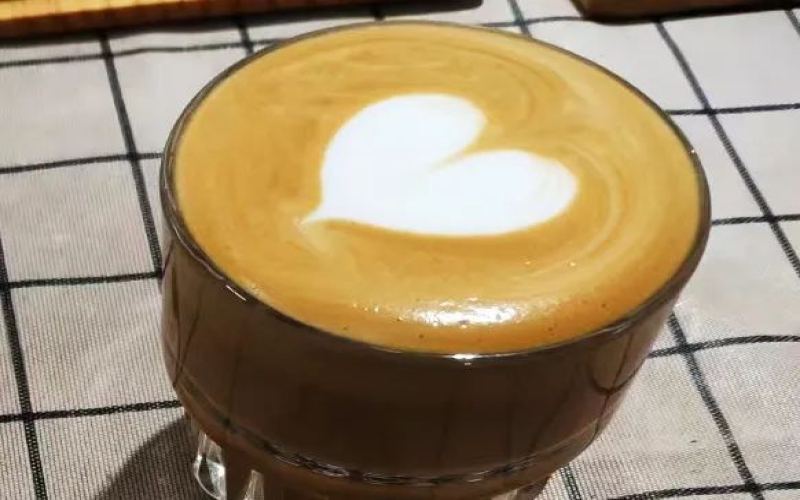
Latte Art Basics Tutorial: Step-by-Step Guide to Making a Large Heart Pattern and Detailed Explanation of Common Mistakes
Want to learn latte art but don't know where to start? In this issue, Front Street Coffee brings you a tutorial on the most basic and classic pattern: the large heart. The large heart is the first pattern that most beginners successfully pour, and it is also the foundation for many complex designs. Mastering it requires first getting through several fundamentals: espresso extraction, milk frothing, pitcher holding, and integration. This article will break down in detail the milk foam thickness, the amount of integration, the choice of pouring point, the milk-pouring technique, and the finishing touches, and will also include multiple photos of failed cases with cause analysis to help coffee lovers avoid detours and pour a beautiful, centered, full heart. [more…]
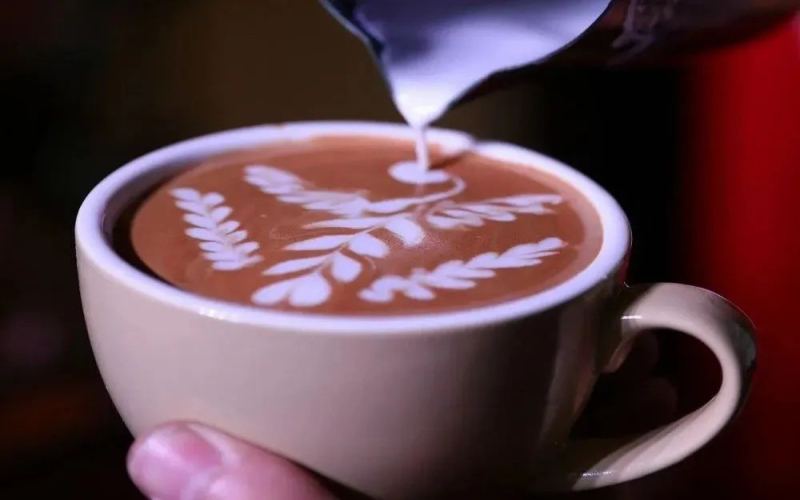
A Record of Self-Learning Latte Art at Home: Reflections on Progressing from a Clumsy Beginner to Independently Creating Patterns
Many people fall in love with coffee starting from a latte topped with intricate latte art. When you manage to recreate that ideal pattern with your own hands, the satisfaction is irreplaceable. Nowadays, with abundant online tutorials, even complete beginners can explore latte art techniques at home as long as they have the equipment and ingredients ready. But once you actually get hands-on, you'll find that failure is the norm. This article documents the real journey of self-taught latte art—from treating the milk pitcher like a paintbrush to creating abstract masterpieces, from hearts to Ultraman and all kinds of unexpected shapes—and also summarizes practice insights on key steps like milk frothing, integration, and flow control. Failures aside, the passion remains undiminished, because every attempt brings you closer to that moment of pride. [more…]
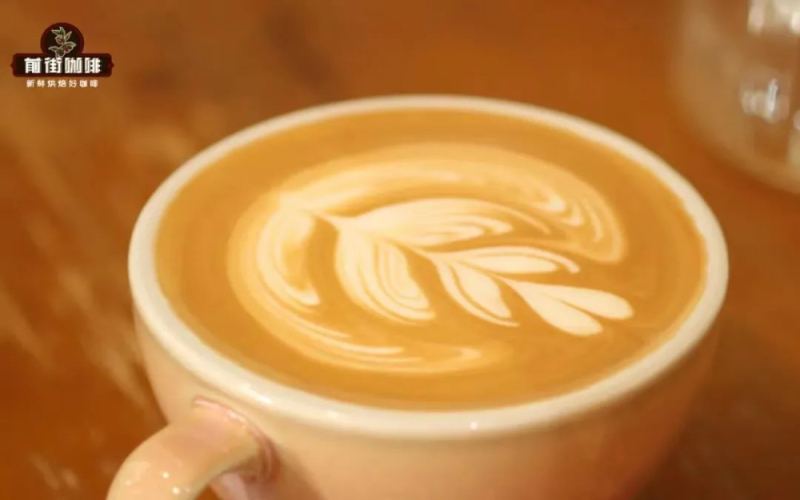
From Basics to Advanced: Practical Latte Art Techniques and Key Points for Tulip, Leaf, and Multi-Layer Heart Patterns
Latte art may seem difficult, but by mastering key details you can significantly improve your success rate. This article systematically explains the basic steps of latte art and the approach to achieving common patterns, from milk foam thickness and pouring techniques to pattern selection. Front Street Coffee will share how to judge the standards of a quality latte art pour, and how to gradually master patterns such as tulips, rosettas, and multi-layer hearts through repeated practice of the basic heart, flexibly adjusting the pour point and finish. Whether you are a beginner or a barista hoping to break through a plateau, these practical tips can help you reduce failures and achieve consistent results. [more…]
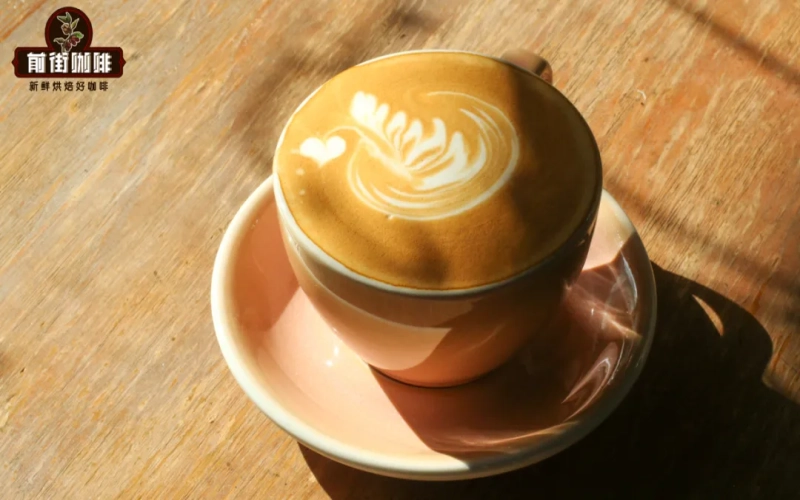
Latte Art Etching Tutorial: Milk Foam Thickness and Integration Techniques Explained, Espresso Bean Selection Guide
Latte art is the initial inspiration for many coffee enthusiasts, and textured patterns are the advanced technique that baristas dream of mastering. It involves continuously swinging the milk pitcher to pour steamed milk, pressing white lines into elegant arcs and making the pattern more artistic. However, many people practicing textured patterns always fail to create clearly defined lines with distinct layers. This article, based on Front Street's practical experience, will provide a detailed analysis of the three key areas to master when creating textured latte art: controlling milk foam thickness, managing the degree of integration, and the distance between the pitcher spout and the liquid surface. At the same time, it will also share recommendations for choosing espresso beans suitable for latte art, helping you practice beautiful textured patterns at home as well. [more…]
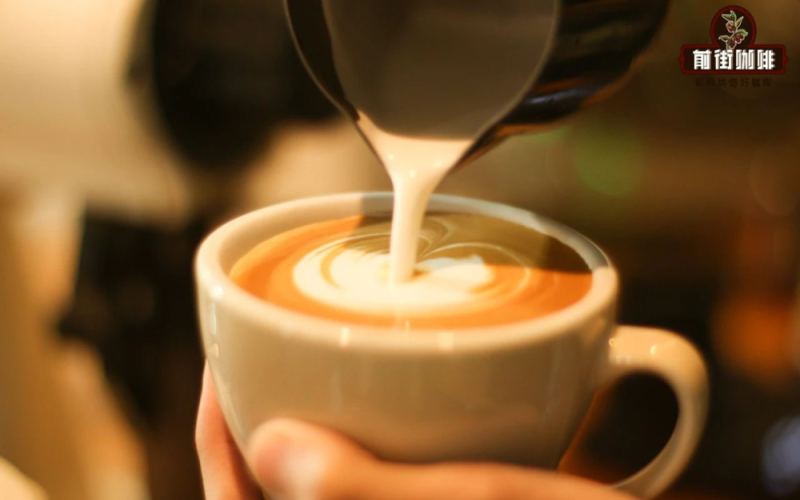
Latte Art Tutorial: A Complete Guide to Milk Frothing Temperature and Pouring Techniques
Want to learn latte art but keep failing? Front Street Coffee explains in detail the core points of milk frothing and integrating to create patterns. From steam intake to texturing and heating, from integrating techniques to pouring postures, this article systematically sorts out common problems and solutions in latte art learning. Whether you are a beginner just starting out or an advanced player hitting a bottleneck, you can find practical advice here to make every cup of latte art consistently present beautiful patterns. [more…]
Hot Fresh Milk for Ideal Latte Art: Standards and Practical Tips for a Proper Latte
Do you want to pour beautiful patterns with hot fresh milk, but find the results inconsistent? Whether a latte art pour is up to standard actually varies from person to person, but Front Street Coffee believes it can be judged on three levels: surface fineness, integration evenness, and pattern clarity. In addition to sharing the judging criteria, this article will also introduce a few tips that can effectively reduce the failure rate, including adjusting milk foam thickness, pre-treatment before integration, and repeatedly practicing with simple patterns. At the same time, choosing the right coffee beans is also crucial. Front Street specialty espresso blend can help you extract rich crema more easily, making latte art twice as effective with half the effort. [more…]

Why Is Manner's Pay Raise Assessment Pass Rate So Low? Equipment Differences and Strict Standards Become Obstacles to Barista Raises
For many Manner baristas, the pay raise exam is the only path to a higher income, but the difficulty of this assessment is far beyond imagination. Manner stores are uniformly equipped with semi-automatic espresso machines, and examiners have standardized requirements for latte art, milk steaming, and grinder adjustment. As a brand focused on specialty coffee, it also adds a pour-over segment to the test. However, the actual pass rate is extremely low, with most candidates eliminated during the espresso operation stage. Unfamiliar store equipment, unfamiliar grinders, and nitpicky judging such as measuring milk foam thickness with a ruler make this exam seem impossibly hard. This article will restore the true face of the Manner pay raise exam and analyze the crux of why baristas fail repeatedly. [more…]
Latte art milk frothing and pouring techniques: a complete approach from basic practice to on-the-spot adaptation
Latte art is something that sounds simple but often leaves people scratching their heads in practice. Many beginners can occasionally pour a beautiful pattern, but when they try to reproduce it, they just can't find that same touch again. Front Street believes that judging whether a latte art pour is up to standard starts with the fineness of the surface milk foam, then whether the integration is even and the boundary between the golden ring and the pattern is clear, and only lastly comes the pattern itself—clear texture and well-defined shape are enough; complexity is not the point. Theory cannot replace feel, but there are some practical tips that can effectively reduce the failure rate. This article will share a few lessons Front Street has summarized through hands-on practice, covering adjustments to milk foam thickness, pre-treatment before integration, repeated refinement of basic patterns, and flexible remedies during pouring, in hopes of helping coffee enthusiasts pour latte art more consistently in their daily output. [more…]
Beginner Latte Art Lesson 1: A Detailed Guide to Milk Foam Thickness, Pouring Integration, and Finishing Techniques for the Large Heart Pattern
If you want to learn latte art, the large heart is the most suitable first pattern for beginners, and it is also the foundation for many complex patterns that follow. In this tutorial brought to you by Front Street Coffee, we break down the key points of making a large heart one by one, from the standards for steaming milk foam and controlling the amount of blending, to choosing the pouring point and the finishing technique. The article also includes images of common failure cases and analysis of their causes to help beginners quickly identify problems. Whether you are just starting out with latte art or always fall short at the finishing stage, this content will give you clear guidance. [more…]
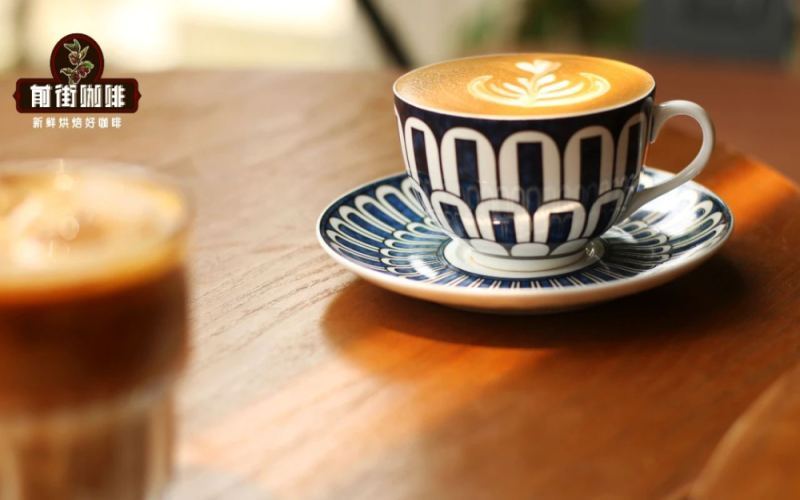
Why Can't You Pull Lines in Latte Art Etching? Mastering Milk Foam Thickness and Steaming Technique Is Key
Many coffee enthusiasts try latte art themselves after watching videos, only to find that they just can't get the rippled lines to come out. In fact, the problem usually lies in the milk foam—ripple patterns place extremely high demands on the thickness and denseness of the milk foam. Drawing on the hands-on experience of Front Street Coffee, this article explains in detail how to steam thin yet dense milk foam suitable for ripple patterns by controlling the position of the steam wand, the steaming angle, and the amount of air intake, and summarizes four common problems—over-blending, foam that is too thin, the pitcher spout touching the cup, and uneven swirling—to help you find the real reason your latte art is failing. [more…]
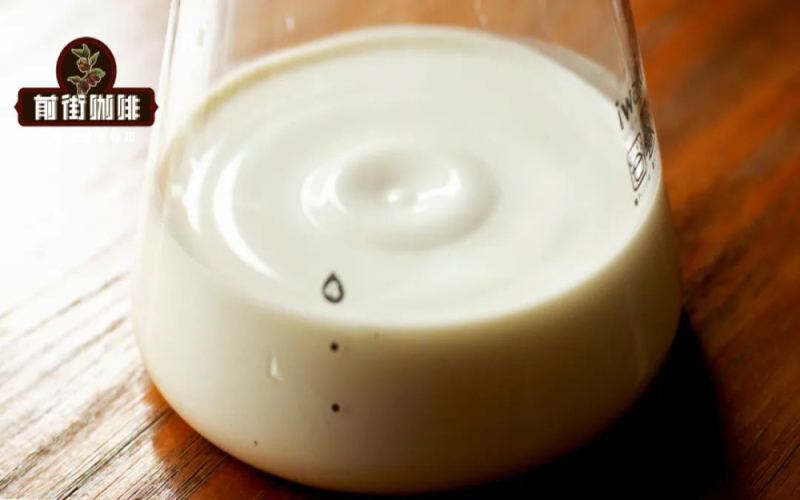
Water Buffalo Milk Latte and Dirty: Can Milk Foam Latte Art, Sweetness, and Coffee Flavor Coexist?
Buffalo milk has long been a specialty dairy product in the Guangdong and Guangxi regions, and in recent years it has been increasingly used by coffee enthusiasts to pair with espresso. It contains higher levels of protein, fat, and calcium than regular milk, with a lower water content, making it sweeter and silkier to drink. So, is buffalo milk actually suitable for latte art? And what does it taste like in an iced latte or a Dirty? This time, Front Street Coffee selected the refrigerated fresh buffalo milk from the local Foshan brand Baifulu, paired with Front Street Coffee's classic blend coffee beans, to make three drinks: a flat white, an iced latte, and a Dirty. From milk foam texture and latte art performance to the flavor on the palate, we tested each one to see whether the combination of buffalo milk and coffee can achieve an effect where 1+1>2. [more…]